Rediscovering Joy: The Power of Alternative Play for Children
In a world increasingly dominated by screens and digital devices, it’s easy to forget the simple joys of childhood play. But what if I told you that there’s a whole world of alternative play waiting to be explored, one that not only entertains but educates, engages, and fosters creativity? Today, let’s delve into the importance of alternative types of play for children, with a particular focus on the role of educational toys, puzzles, and games.
Alternative play refers to any form of play that doesn’t involve screens or digital devices. It encompasses a wide range of activities, from building blocks to board games, from outdoor exploration to imaginative role-play. While screens have their place in modern life, they often lack the tactile, hands-on experience that alternative play provides.
Educational toys, puzzles, and games are particularly valuable in this regard. Not only do they entertain children for hours on end, but they also offer numerous developmental benefits. Let’s take a closer look at some of these benefits:
Cognitive Development
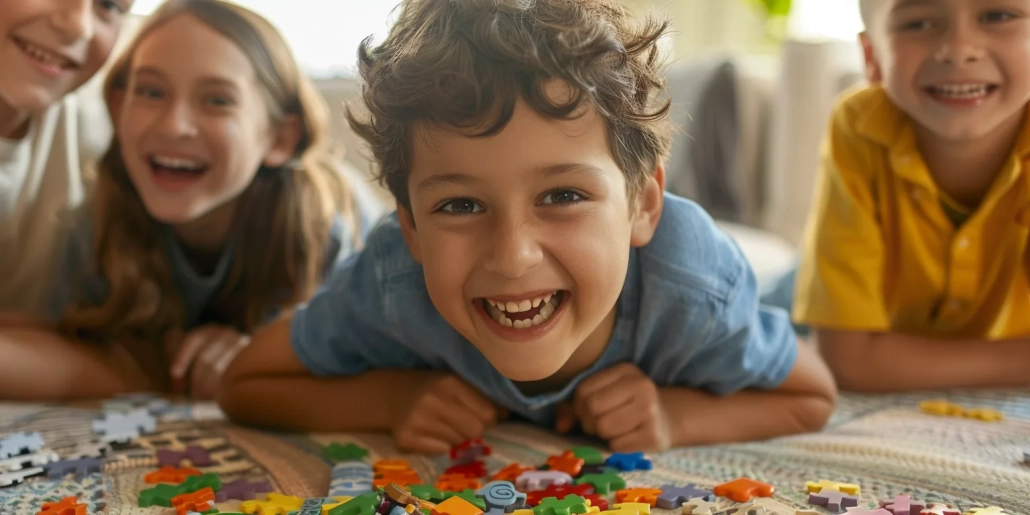
Puzzles and games challenge children to think critically, problem-solve, and strategize. Whether it’s figuring out how to fit pieces together or planning their next move in a game, children are constantly exercising their brains in fun and engaging ways.
Fine Motor Skills
Activities like building with blocks or manipulating puzzle pieces help children develop their fine motor skills and hand-eye coordination. These skills are essential for tasks ranging from writing to tying shoelaces.
Social Skills
Board games and group activities provide valuable opportunities for children to learn how to take turns, communicate effectively, and work cooperatively with others. These social skills are crucial for success in school and beyond.
Creativity and Imagination
Alternative play encourages children to use their imagination and think outside the box. Whether they’re pretending to be pirates on a backyard adventure or constructing elaborate structures with building blocks, children are constantly exploring new worlds and ideas.
Reduced Screen Time
Perhaps most importantly, alternative play offers a much-needed break from screens and digital devices. By engaging in hands-on activities, children have the opportunity to disconnect from technology and reconnect with the world around them.
So, how can parents and caregivers encourage alternative play in their children’s lives? It’s simpler than you might think. Start by providing a variety of toys, puzzles, and games that cater to your child’s interests and developmental stage. Set aside dedicated time each day for alternative play, whether it’s a family game night or an afternoon spent building with blocks. And don’t forget to join in the fun yourself! Playing alongside your child not only strengthens your bond but also sets a positive example of the importance of play.
Alternative play is more than just a way to pass the time—it’s a fundamental aspect of childhood development. By incorporating educational toys, puzzles, and games into your child’s routine, you’re not only providing hours of entertainment but also laying the foundation for lifelong learning and growth. So, let’s embrace the joy of alternative play and rediscover the magic of childhood together!
